
Here's the thing about mismatched pacing
One partner wants to build slowly, savor the moment, and spend twenty minutes before anything intense happens. The other wants to get there faster. No one's wrong. But the friction between these two approaches creates real tension, and most couples either ignore it or treat it like a problem that shouldn't exist.
It does. And it's fixable.
When you're using lemon vibrators or any clitoral vibrator with a partner who prefers a different pace, the mismatch gets louder because intensity is suddenly quantifiable. You can't hide behind vagueness. There's a button. There are patterns. There's a speed dial.
Why pacing feels so personal
It's not really about the vibrator. Pacing is about vulnerability, rhythm, and trust. Someone who likes slow arousal often needs time to feel safe, to transition mentally into the moment, and to let their body catch up with their brain. Someone who prefers faster intensity sometimes worries that slowness means their partner isn't interested, and acceleration feels like reclaiming agency.
These aren't about desire. They're about nervous system regulation and what helps each body settle into pleasure.
When you understand this, pacing stops being a negotiation and becomes a conversation about what each nervous system needs. That reframes everything.
The pacing styles conversation before the vibrator
Here's what I ask couples in my practice: "When you feel rushed, what does your body do? And when you feel like nothing's happening, what's the urge?"
The slower-paced partner often says they tense up when pushed, that arousal shuts down under pressure, that their brain gets in the way. The faster-paced partner often says they lose interest or feel like they're doing something wrong if they don't escalate.
Neither narrative is true. Both are just what those nervous systems learned long ago.
Before you touch the lemon vibrator, name this. "I like to linger because I need my nervous system to trust I have time." "I like to move faster because I start doubting myself if we slow down." This isn't criticism. It's data.
Three structural ways lemon clitoral vibrators help
Unlike fingers or penetration, a quality clitoral vibrator like those in the Hallo Nancy Lems collection gives you three precise control points.
1. Pattern variety without intensity escalation. The lemon vibrator's suction technology offers different sensation patterns. You can stay at a low intensity but shift the sensation itself. Your slower-paced partner gets time and variety. Your faster-paced partner gets change without feeling stalled.
2. Solo and partnered modes. Your slower partner can self-stimulate at their own pace while your faster partner provides other touch. You're moving at two speeds simultaneously, which paradoxically feels less pressured for both people than trying to find one compromise speed.
3. Layering without overwhelm. A lemon sucker's air-pulse technology means you can layer it with penetration, partner touch, or kissing without creating sensory overload the way simultaneous vibrations from multiple devices might. The slower partner feels held. The faster partner feels like things are building.
Concrete pacing protocols that work
I recommend trying these with a partner before you assume "different pacing" means incompatibility.
The fifteen-minute minimum. Set a timer. Commit to fifteen minutes of foreplay before any vibrator comes out. The slower partner gets to trust that you're not rushing. The faster partner gets to see that slowness has a destination. After the timer, vibrator becomes available.
The pattern rotation. Instead of dialing intensity up, switch patterns every two to three minutes on the lemon vibrator. Pattern 1. Pattern 2. Pattern 3. Back to 1. The sensation stays fresh, arousal has room to build in layers, and neither person feels stalled or rushed.
The hand-over-hand introduction. If your slower partner is nervous about intensity, don't hand them the vibrator cold. Start with the device on your partner's hand, against you, so they control the contact and placement. They see what it actually does instead of imagining worst-case intensity.
The dual-focus model. Your faster-paced partner uses the lemon vibrator for focused stimulation. Your slower partner receives attention elsewhere: kissing, caressing, penetration without vibration, slow undoing of clothes. You're both getting what you need simultaneously.
When one partner is willing and the other is hesitant
If your slower-paced partner is worried that vibrators will ruin natural response or create dependency, separate these threads. Faster doesn't mean better. Vibrators don't replace anything. They're tools that sometimes help your particular nervous system access pleasure in that particular moment.
Let them choose when the vibrator comes into a session. Not every time. When they decide. This restores agency and removes the feeling of being pushed into intensity.
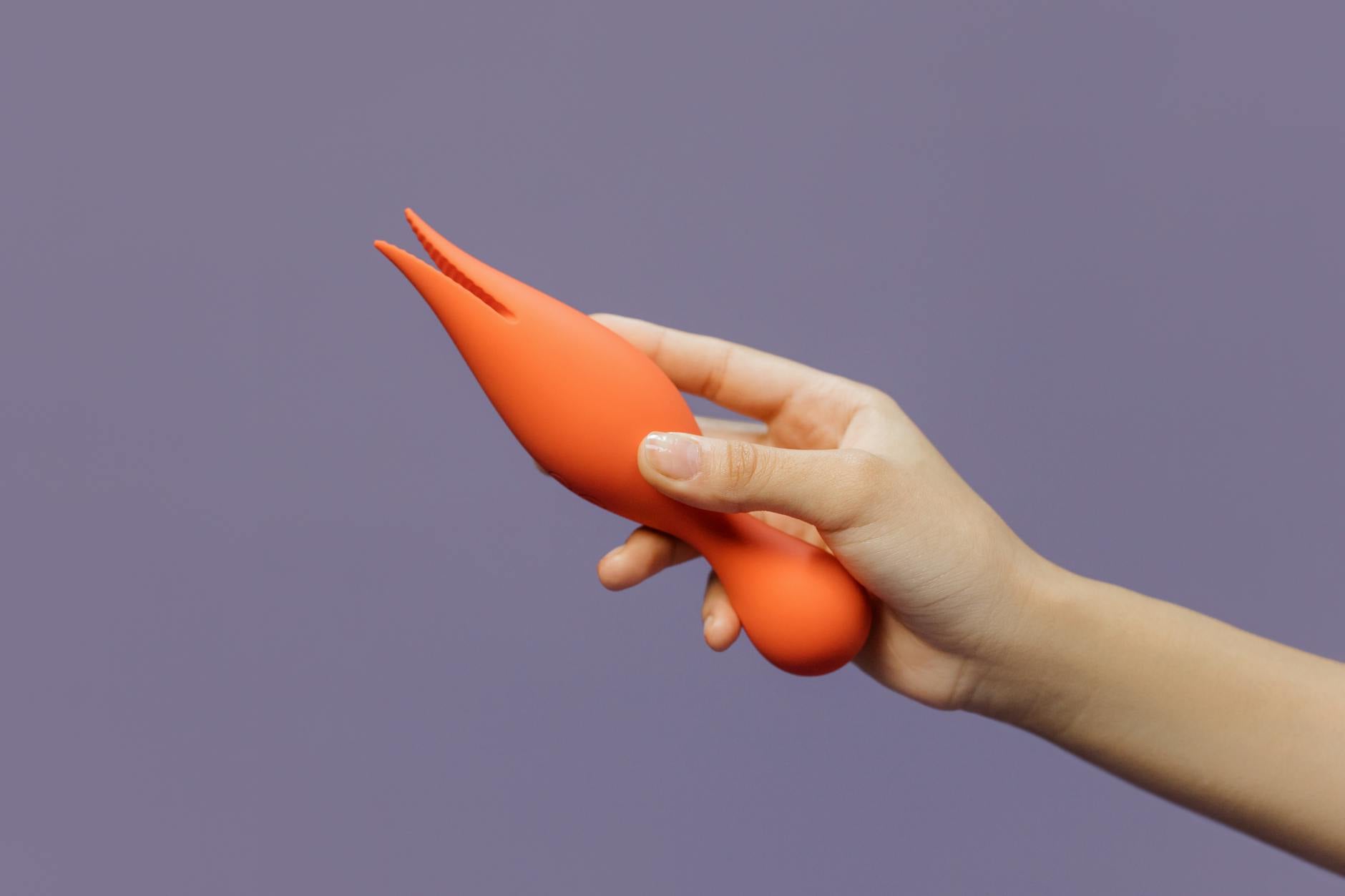
Photo by cottonbro studio on Pexels
If your faster-paced partner is worried that your slowness means you're not interested in them, the vibrator actually helps here too. It demonstrates that stimulation and intensity are separate from your feelings about your partner. You can use a clitoral vibrator because your body's nervous system needs it, not because they failed to turn you on.
Building shared rhythm over time
Honestly, pacing mismatch often improves not because one person changes but because both people stop seeing the other's pace as a referendum on the relationship. Your partner's desire to linger isn't a referendum on your excitement. Your need for faster intensity isn't a referendum on their care.
Once you both believe this, you can experiment. Some couples find that the slower partner naturally speeds up when they stop feeling pushed. Some find that the faster partner learns to enjoy the buildup once they stop worrying it'll go nowhere. Most find a rhythm that isn't quite either person's natural default but feels good to both.
Lemon vibrators excel here because they're not judgmental. You set the pace. You choose the pattern. You can pause and breathe whenever you need to. No one's waiting for anyone else to perform.
When pacing stays a mismatch
Sometimes even with all this, pacing doesn't sync. One person's nervous system is wired for slow, the other's for fast, and that's just true. That's fine. This isn't a sign of incompatibility. It's a sign you need frameworks where you're not always trying to meet in the middle.
Take turns. Some sessions are orchestrated by the slower person. Some by the faster person. Some are hybrid. None of them are wrong.
Use resources for rebuilding intimacy after emotional disconnection if you've been talking past each other about pacing for years. Talk to a sex therapist or relationship coach if the mismatch has created resentment. (That's real and fixable, but it usually needs conversation first, then tools.)
The vibrator isn't the solution to a pacing mismatch. Mutual respect for different nervous systems is. The vibrator is just the honest mirror that forces the conversation.
FAQ: Pacing, vibrators, and partnership
Why does my slower-paced partner feel pressured when I want to use a vibrator?
Because intensity is visible. A vibrator can't pretend to be casual. Your partner might worry that wanting a vibrator means you're not satisfied with them or that you're trying to force arousal that isn't naturally happening. Reframe: "I want this because my body responds to this sensation, not because you're not enough." That distinction matters enormously.
Can using a lemon vibrator together help us sync our pacing?
Yes, if you use it deliberately. Vibrators don't fix mismatched desire, but they create a tool you can both control independently. Your slower partner can set a lower intensity. Your faster partner can choose more intense patterns. You're moving at your own paces within the same session instead of fighting for one compromise speed.
My partner says vibrators will make them numb to my touch. Is that real?
No. That's anxiety dressed as logic. Using a vibrator doesn't rewire your nervous system to only respond to vibration. But your slower-paced partner might genuinely worry that you're choosing the vibrator over them. Address the real fear: "I want us both to experience pleasure fully. This helps me get there with you." Then demonstrate that you still want their touch, their presence, their pace.
What if we're having good sex but different speeds are creating relationship tension?
Then the issue isn't the vibrator or the sex. It's trust and communication about different needs. Consider exploring resources on mismatched sensitivity levels or talking to a couples counselor. Pacing disagreements often point to deeper patterns around being heard and valued.
How do we introduce a lemon sucker when one partner has never used a vibrator?
Slowly. Let them watch you use it first. Let them hold it (powered off) so it feels less mysterious. Show them it's not aggressive. Then try it together with a lower pattern on their hand, outside their body, so they're not surprised by sensation. Build confidence before intensity.
Can different pacing needs be a dealbreaker in a relationship?
Rarely. Most couples with pacing differences work through them once the real issue isn't about the pace but about feeling understood. If pacing is actually code for "I don't feel desired" or "I feel controlled," that's relationship work, not vibrator work. But pure pacing mismatch? That's manageable with communication and the right tools.
What actually happens when you stop fighting the rhythm
One of the most interesting patterns I've seen is this: couples who stop trying to sync their pacing and instead respect it often find that their mismatched speeds actually create better sex. The slower partner gets to build without being rushed. The faster partner gets to move without feeling held back. Neither person is resentful. The vibrator becomes neutral technology instead of a symbol of mismatch.
Your pacing difference isn't a bug. It's just information about how your nervous systems work. Once you accept that, you can use tools like lemon clitoral vibrators to honor both rhythms in the same session. That's not compromise. That's design.
If you're navigating pacing differences and want support beyond this guide, reach out to talk through what would help your particular dynamic. And if you're curious about other common pleasure disconnects in partnerships, our full buying guide walks through techniques for different scenarios.
Your slowness and their speed both deserve space. That's not friction. That's intimacy.