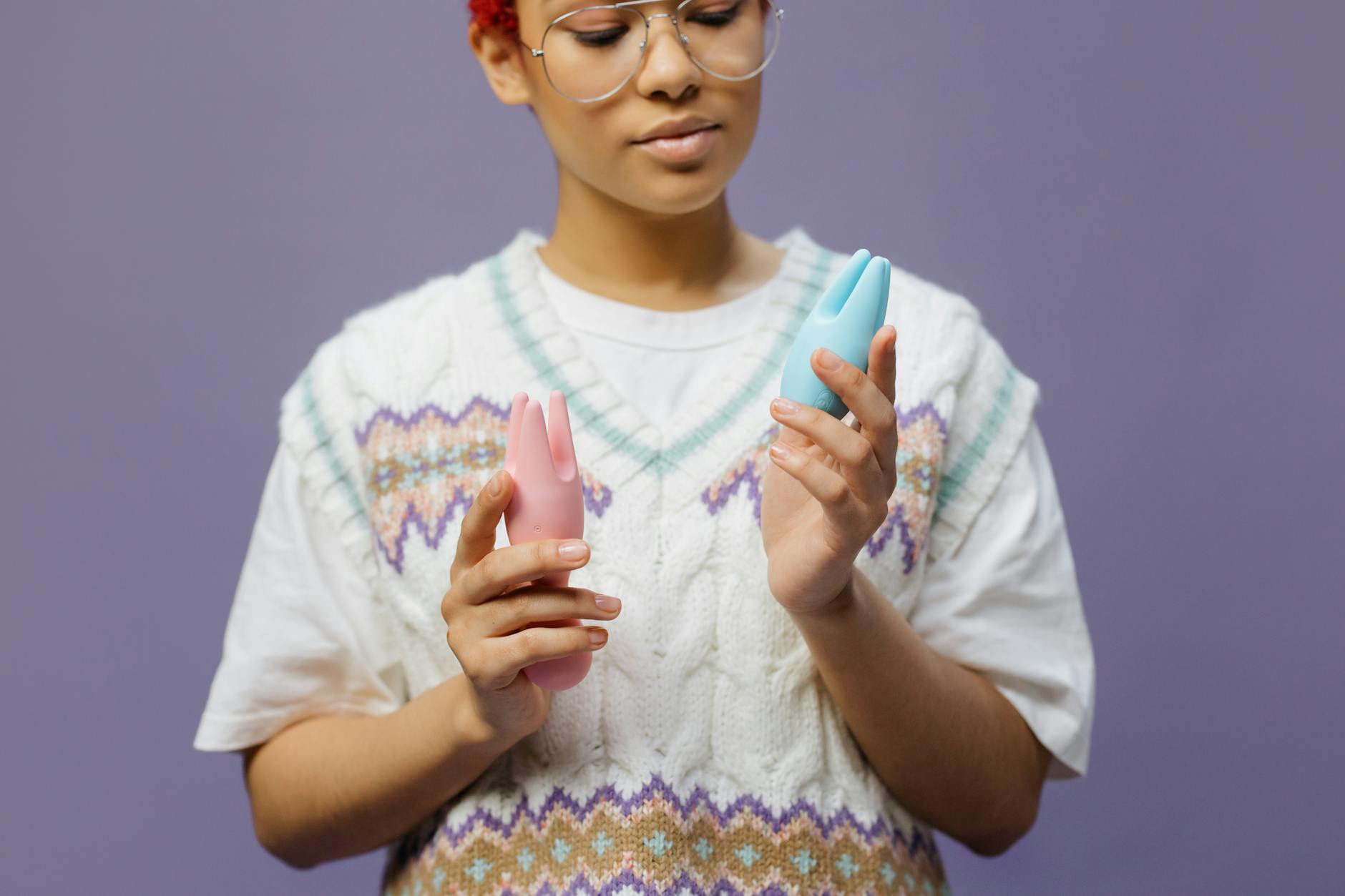
The thing no one talks about
Clitoral overstimulation is real, and it's not weakness or prudishness. Your clitoris has roughly 8,000 nerve endings concentrated in a space the size of a pea. When stimulation gets too intense too fast, those nerves essentially short-circuit. You feel numbness, pain, or an uncomfortable buzzing sensation that makes you want to stop. Most people assume something's wrong with them. Actually, something's working exactly right.
Here's what I see in my practice: people with sensitive clitorises often avoid pleasure devices altogether because one bad experience taught them that vibrators equal discomfort. That's a tragedy because tools like lemon vibrators (suction-based clitoral vibrators from Hallo Nancy Lems) can actually be gentler than traditional buzzing vibrators. The technique matters more than the device.
Why the clitoris gets overwhelmed
Your clitoris isn't a push-button. It's more like a dimmer switch. When you jump straight from zero to full intensity, the nerve endings flood with sensation faster than your nervous system can process. Add in any of these factors and you're even more likely to overstimulate:
Reduced estrogen (menopause, certain medications, hormonal birth control). Thinner tissue means nerves sit closer to the surface. What felt comfortable at 30 might be too much at 50.
Antidepressants and other medications. These can numb sensation or make the clitoris hypersensitive. You're not choosing between numb or painful. You're looking for the exact frequency that works.
Anxiety or pelvic floor tension. Your nervous system interprets intensity as threat when you're already in fight-or-flight. The clitoris tightens up, sensation becomes sharp instead of pleasurable.
Rapid buildup. Jumping from indirect touch to direct, full-power vibration without a warm-up period overwhelms the tissue.
Why lemon clitoral vibrators are different
A traditional vibrator uses direct friction. The motor vibrates the toy against sensitive tissue at 50-100+ oscillations per second. That's constant, repetitive pressure on the same spot.
Lemon vibrators use air-pulse or suction technology. Instead of friction, they create gentle waves of pressure that pull at the tissue rather than hammer it. For an overwhelming clitoris, this matters enormously. Suction-based stimulation tends to feel less sharp and more sustained. Many people who've had bad experiences with vibrators find lemon devices actually feel softer.
That said, lemon vibrators still have intensity levels. Using them wrong will still cause overstimulation. The good news: dialing back a suction device is easier than with traditional vibrators because you're working with gentler technology to begin with.
The slow-build technique
Forget what you think you know about warming up. Slow isn't code for boring. Slow is how you teach your nervous system that this is safe.
Start completely dry or with the lightest possible touch over your underwear or clothing. Use pattern 1 (the gentlest pulse setting on most Hallo Nancy Lems devices) for 3-5 minutes. Let your clitoris get accustomed to the sensation. You're not trying to orgasm yet. You're signaling to your body that this feels okay.
After 5 minutes, move to indirect contact. If you're using a lemon sucker clitoral vibrator, apply it to the mons pubis (the mound of tissue above the clitoris) rather than directly on the glans. The sensation travels through tissue layers, getting diffused as it reaches the clitoris. It's softer. It's also sometimes more pleasurable because it spreads the intensity across more nerve pathways.
Stay at pattern 1-2 for another 5-10 minutes. By now, blood flow has increased and your tissue is plumping up slightly, which actually makes sensation feel less sharp. Your nervous system has also registered that nothing bad is happening.
Only then, if you want more, move to direct contact with the clitoral head. Stay at pattern 2. Most people don't need higher.
Spacing and repositioning
Another underrated move: don't leave the vibrator in one spot. Move it around.
Even if you're using a gentle lemon vibrator, holding it in the exact same position for 15 minutes overwhelms that tissue. Instead, use tiny movements. Shift side to side. Move slightly up and down. Vary where the suction pulls.
This serves two purposes. First, it distributes sensation across more nerve pathways instead of exhausting one region. Second, it gives any overstimulated area microsecond breaks to recover. Your clitoris can handle intense sensation, but it needs rhythm. Constant pressure with no variation is what causes that unbearable buzzing.
I also recommend taking breaks. Thirty seconds off every minute or two resets your nervous system. It sounds like it would kill the mood. It doesn't. It extends how long you can enjoy stimulation without hitting the overwhelmed wall.
The lube factor (even with suction devices)
Water-based lubricant changes everything. Even with a suction device that doesn't rely on friction, lube reduces micro-friction between the toy and your skin. It also helps create a better seal for the suction cup if you're using a lemon sucker device, which means more consistent, less sharp sensation.
Use a small amount. Lube makes the device less likely to stick to your clitoris awkwardly, which is often what causes that uncomfortable sharp feeling.
If you find that lube makes suction devices slip off, you're using too much or the suction cup isn't sized right for your anatomy. Some vulvas need more coverage. Some need less. Hallo Nancy Lems products come with guidance on fit, but it's worth experimenting.
When to pause and reassess
If you feel a sharp, shooting pain (not pressure, not buzzing, but actual pain), stop immediately. Sharp pain is your body's way of saying the tissue is irritated. This sometimes happens from overstimulation, but it can also mean:
The toy isn't positioned correctly. Minor angle changes sometimes transform pain into pleasure.
You need more lubrication. Reapply and try again.
Your pelvic floor is clenched. Take five minutes to breathe and consciously relax your pelvic floor. Clench your fist, then release. Do the same with your pelvic floor. Then try again at a lower intensity.
You've hit your limit for that session. Some days your clitoris is more sensitive than others. Hormonal shifts, sleep, stress. All of it affects sensitivity.
If this is a persistent problem across multiple sessions, consider talking to a healthcare provider. Sometimes overstimulation is a sign of pelvic floor dysfunction or genital atrophy that responds to topical treatment.
Building tolerance (if you want to)
You don't have to push past what feels good. But if you want to gradually increase how much intensity you can handle, it's possible.
The key is consistency and patience. Practice the slow-build technique 3-4 times a week for 2-3 weeks. Each time, your clitoris adapts slightly. After that period, try increasing from pattern 2 to pattern 3 (if using a lemon clitoral vibrator with multiple patterns). Don't skip levels. Jump to high intensity and you'll reset the whole process.
When you're ready to try direct contact on the clitoral head, use a light touch. Let the suction do the work. Don't press hard. For lemon vibrators especially, the whole device is designed to work with gentle contact.
Some people find that they'll never want high-intensity stimulation, and that's completely normal. High intensity isn't better than low intensity. It's just different. Whatever feels best is the right answer.
The mental piece
Here's what I see constantly in my practice: people with sensitive clitorises carry shame about it. They think they're supposed to want intense sensation. They think overstimulation means they're not aroused enough.
None of that is true. A sensitive clitoris is simply neurologically different. It's not a problem to solve. It's information to work with.
The best outcomes I see happen when someone stops trying to have the experience they think they should have and starts exploring the experience they actually have. The slow-build technique, the repositioning, the pattern-changing. These aren't workarounds. They're the actual pathway to deeper pleasure.
Your clitoris isn't too sensitive. You've just been using the wrong approach.
FAQ
Can you damage your clitoris by overstimulating it?
No. Overstimulation is uncomfortable and can temporarily numb the area, but it doesn't cause lasting damage. Your clitoris will recover. That said, chronic overstimulation from sessions where you power through discomfort can make you associate the device with pain, which creates avoidance. Better to respect your body's signals now and build a positive relationship with pleasure.
Why does my clitoris feel numb after using a vibrator?
That's temporary sensory fatigue. You've flooded the nerves with the same stimulus for too long. The nerves basically say "okay, I've registered this, now I'm tuning out." It usually recovers within 30 minutes to a few hours. If numbness lasts longer or happens consistently, try shorter sessions at lower intensity. That said, if you're wondering about sensation issues that happen during regular activity, check out our post on how lemon vibrators help when sensation returns after numbness.
Is it normal for clitoral stimulation to sometimes feel painful?
Discomfort during certain positions or pressures is common. Sharp pain is not. Discomfort usually means tension (nervous system alarm), positioning, or needing more lube. Sharp pain means stop. If pain is consistent, see a healthcare provider. There are real conditions like vulvodynia that need proper care, not more vibrator experimentation.
Do lemon clitoral vibrators work for people with high sensitivity?
Absolutely. Lemon vibrators from Hallo Nancy Lems actually work better for many sensitive people than traditional vibrators because suction technology tends to feel gentler. Start at the lowest pattern, use the slow-build technique, and take breaks. You'll likely find that what felt painful with other devices becomes pleasurable with a lemon sucker.
How long should a session last if I have a sensitive clitoris?
Quality over quantity. Start with 10-15 minute sessions at low intensity. As you get comfortable, you can extend to 20-30 minutes. Many people with sensitive clitorises actually prefer shorter, more frequent sessions to one long session. Your clitoris gets more rest that way, and pleasure stays high. Stop when sensation starts feeling blunt or uncomfortable, not because a timer told you to.
Can medication or hormones make your clitoris more sensitive?
Yes. Hormonal changes (menopause, stopping or starting birth control, pregnancy), antidepressants, and even antihistamines can alter clitoral sensitivity. If you've noticed a sudden change, it's probably real. Track what changes align with medication or cycle shifts. That information helps you figure out whether you're dealing with overstimulation or something else entirely.
You're not alone in this
Sensitivity isn't a flaw. Plenty of people have to work around overwhelm. The difference between okay and amazing pleasure often comes down to technique, not tolerance. Give yourself permission to slow down. Your clitoris will thank you. And if you're navigating this with a partner, it might help to read about how lemon vibrators work when partners prefer different intensities.
Your pleasure matters. That means listening to your body, not fighting it.